
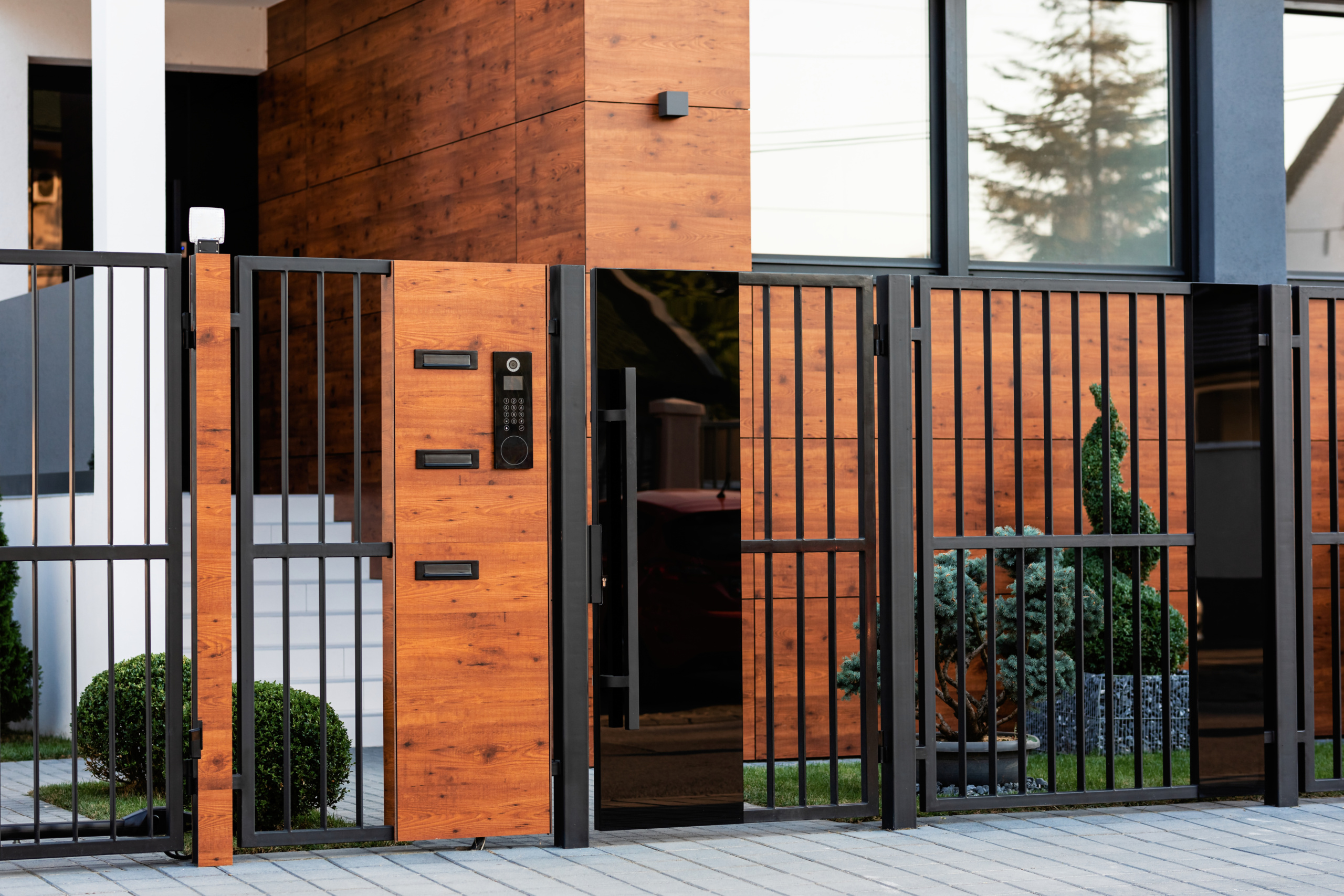
Automatic gates can make everyday access more convenient while helping you manage who enters your property. Whether you are upgrading a residential driveway or planning access for business premises, the right choice starts with understanding your entrance.
For properties across Limerick and the surrounding counties, layouts vary considerably. A suburban driveway may have limited opening space, while a rural entrance may need to accommodate larger vehicles. Commercial premises can have frequent traffic throughout the day.
Sliding and swing gates are two common options. Both can be automated, but each has different space requirements. Here are the main considerations to discuss before choosing a system.
Understanding the Difference Between Sliding and Swing Gates
Swing gates open through an arc, much like a door. They can be installed as a single gate or a pair, depending on the entrance design. They need enough clear space to open without interfering with vehicles, walls or other obstacles.
Sliding gates move sideways across the entrance. They can be suitable where there is limited room for gates to swing inwards, provided there is sufficient clearance beside the opening for the gate to retract.
Neither option is automatically better. The most practical choice depends on the driveway layout, ground conditions, gate dimensions and how the entrance is used.
GTA Fire & Security offers automatic gate systems for homes and businesses. A site survey helps establish which arrangement is suitable before you commit to a design.
Assessing Your Driveway and Available Space
Before looking at finishes or decorative details, consider the space around the entrance. The width of the opening, position of pillars and walls, and any changes in ground level can influence the installation.
For swing gates, think about where vehicles normally park. There needs to be enough room for the gates to operate when a car is on the driveway. A sloping entrance also needs assessment because the ground may affect the opening movement.
Sliding gates require space along one side. Planting, boundary walls and other features can affect whether this is practical.
For a compact driveway in Limerick city or the suburbs, available clearance may be the deciding factor. At a rural property in a surrounding county, there may be more space overall, but the entrance still needs careful planning.
Planning for Cars, Deliveries and Larger Vehicles
Your gate system should suit the vehicles that actually use the entrance. A household driveway may need to accommodate family cars, visitors and delivery vans. A business entrance may also need access for commercial vehicles.
Consider how vehicles approach from the road, where they wait while the gate opens and whether they can turn comfortably once inside. These details are especially useful to discuss at entrances on narrow roads or where visibility is limited.
Frequency of use matters too. A gate that operates a few times each day has different demands from one serving a busy workplace.
Tell your installer about expected traffic and any larger vehicles that visit occasionally. Planning around these requirements helps avoid choosing an entrance layout that becomes inconvenient during everyday use.
Choosing How People Gain Access
Once the gate layout is established, consider how authorised users and visitors will operate it. GTA offers access options including remote controls, keypads, intercoms and GSM controls for compatible systems.
A remote can make entry convenient from a vehicle. A keypad allows access using a code, while an intercom lets you communicate with visitors before opening the gate.
For a family home, consider children, relatives, guests and deliveries. For a business, think about staff access, opening hours and visiting contractors.
Mobile access may also be useful, but the proposed equipment and connectivity requirements should be explained clearly. At rural properties around Limerick and neighbouring counties, ask your installer to assess the available signal where relevant.
Considering Weather, Safety and Power Cuts
An outdoor gate system needs to be planned around the conditions at its location. Exposure to wind, rain and debris should form part of the site assessment, particularly at open or exposed entrances.
Ask your installer how the proposed design and automation equipment suit the site. Gate size, weight and construction all need consideration alongside the motor and controls.
Safe operation is another essential part of the discussion. Ask how the system’s safety features work, how pedestrians should use the entrance and what to do if the gate stops operating.
You should also receive instructions for the release procedure during a power failure. Everyone responsible for the property should know where those instructions are kept.
Planning for Maintenance and Support
Automatic gates have moving parts and electrical components that require ongoing attention. Ask about the recommended servicing arrangements, signs of a fault and who to contact if a problem develops.
Changes such as unusual noises, uneven movement or unreliable opening should be assessed rather than ignored. Maintenance requirements will depend on the system and how frequently it operates.
Based in Limerick and serving the surrounding counties, GTA Fire & Security provides automatic gate installation, maintenance and repair services.
Contact GTA Fire & Security to discuss your automatic gate requirements and request a quotation.

